
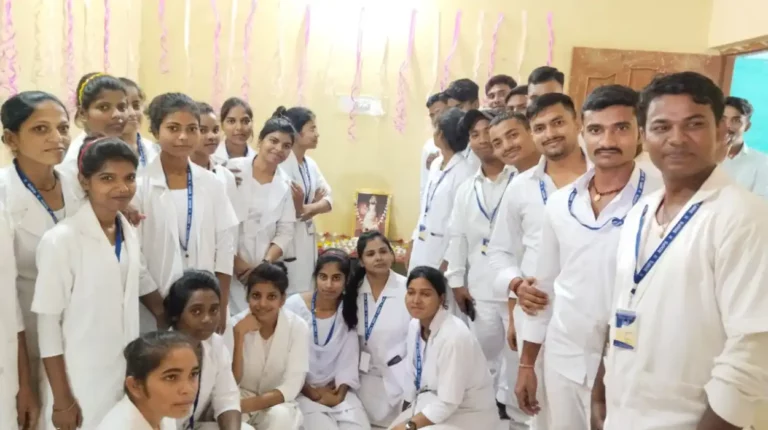
The GNM curriculum generally includes the following subjects:
-
Anatomy and Physiology: Understanding the structure and function of the human body.
-
Medical-Surgical Nursing: The care and treatment of patients with various medical and surgical conditions.
-
Obstetrics and Gynecology: Nursing care related to pregnancy, childbirth, and women's health.
-
Pediatrics: Caring for newborns, infants, and children.
-
Community Health Nursing: Providing healthcare in community settings, health promotion, and disease prevention.
-
Mental Health Nursing: Addressing the mental health and emotional well-being of patients.
-
Nutrition and Dietetics: Understanding the nutritional needs of different patient groups.
-
Pharmacology: Study of medications, their effects, and dosage administration.
3. Skills Developed
-
Clinical Skills: Including performing physical assessments, administering medications, wound care, and managing patient records.
-
Communication: Effective communication with patients, families, and healthcare teams.
-
Critical Thinking and Problem Solving: Assessing patient needs and making informed decisions.
-
Emotional Intelligence: Providing compassionate care, especially in high-pressure situations.
-
Midwifery Skills: Knowledge and skills related to labor, delivery, and postnatal care.
4. Practical Training
Students undergo practical training at hospitals or health centers. This includes:
-
Hands-on experience in nursing care, assisting with surgeries, administering injections, IVs, and medications.
-
Exposure to various departments like emergency, pediatrics, obstetrics, and ICU.
-
Internships under the supervision of senior nursing staff.
5. Career Opportunities
Upon completion, GNM graduates can pursue the following roles:
-
Staff Nurse in hospitals, clinics, or nursing homes.
-
Midwife in maternity care.
-
Community Health Nurse working in public health programs.
-
Nurse Educator in nursing schools.
-
Public Health Nurse in government or NGO sectors.
Graduates can also opt for further studies in nursing (e.g., B.Sc. Nursing, M.Sc. Nursing) or specialization courses in areas like neonatal care, cardiac nursing, or critical care.
6. Eligibility Criteria
-
Age Requirement: Generally, students must be between 17 and 35 years of age.
-
Educational Qualification: Completion of 10+2 in the Science stream (preferably with subjects like Biology, Chemistry, and Physics).
-
Minimum Marks: Typically, students need a minimum of 40%-50% marks in their higher secondary exams.
7. Scope and Demand
The demand for trained nurses is consistently high worldwide due to the increasing number of healthcare facilities and the growing need for skilled healthcare professionals. Nurses are integral to the functioning of hospitals and healthcare institutions, and GNM professionals can find rewarding and secure career opportunities.


